
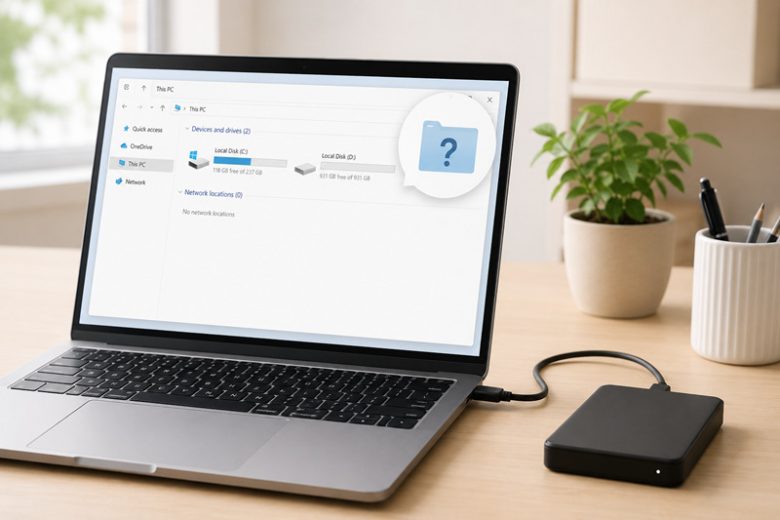
Plugging in an external hard drive, portable SSD, or USB flash drive that holds years of family photos, tax records, or project backups—only to see nothing appear in Windows File Explorer—is an immediate source of panic. Even worse is when Windows plays the familiar USB connection chime and pops up a dialog box saying, …
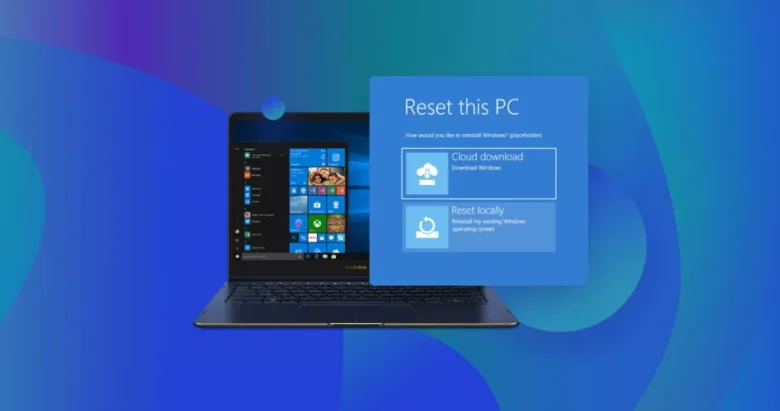
When a Windows program closes without warning or freezes mid-task, reinstalling the application is often the first piece of advice you will hear. However, uninstalling and reinstalling an app rarely fixes crashes caused by corrupted user-profile caches, conflicting background services, outdated graphics drivers, or damaged shared Windows runtime libraries. Worse, a hasty reinstall or reset …
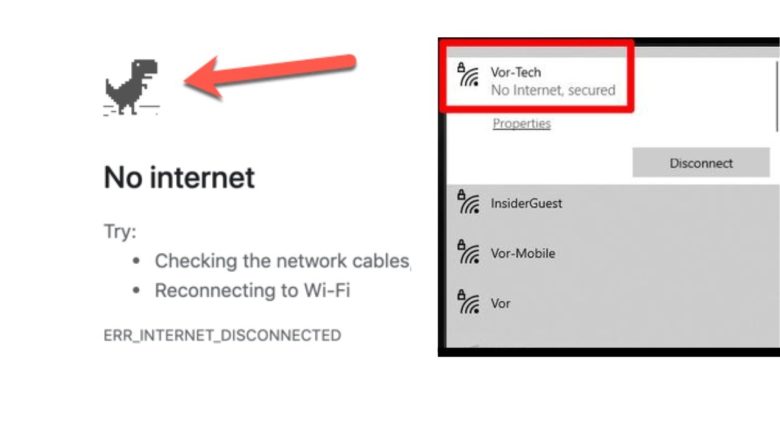
Few status messages are more frustrating than clicking the Windows taskbar network icon and seeing No Internet, secured (alongside the globe icon) while sitting right next to your wireless router. When that happens, many people immediately unplug the router—interrupting everyone else in the house or office—or worse, hold down the recessed Reset pinhole button on …

When a Windows laptop begins taking minutes to boot, freezing when you switch between browser tabs, or stuttering during video calls, the most common advice is to buy more RAM, upgrade the SSD, or replace the laptop entirely. However, hardware rarely “wears out” in a way that gradually slows down processing speed. In most cases, …
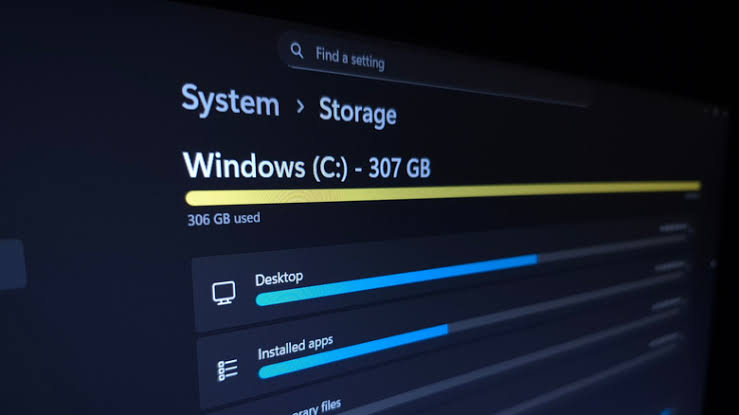
When Windows warns you that your main drive (usually the C: drive) is almost full, your computer doesn’t just prevent you from saving new files—it can also slow down significantly, fail to install critical security updates, and experience sudden app crashes. The temptation in that moment is to open File Explorer and start deleting large …
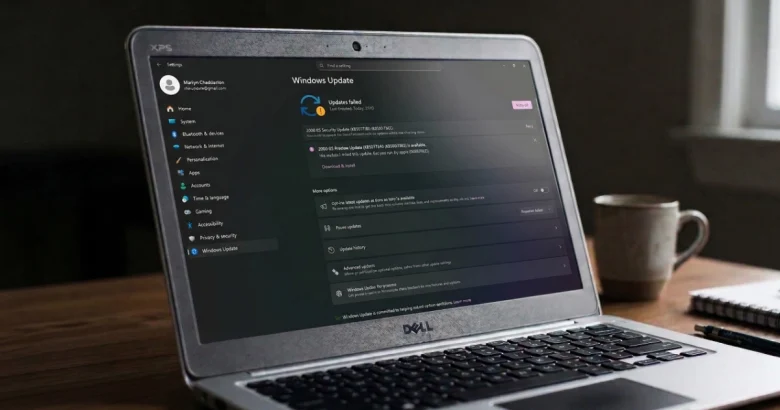
When a Windows update freezes at 0%, loops indefinitely on “Downloading – 100%”, or fails with an obscure error code like 0x80070002 or 0x80244007, it is easy to assume your operating system is severely corrupted. Many online guides immediately recommend running complex command-line scripts, clearing the Software Distribution folder manually, editing the Windows Registry, or …
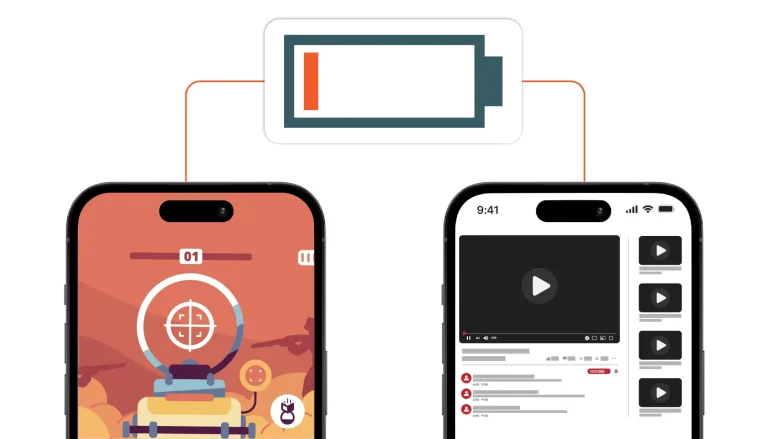
Waking up to find your Android phone’s battery significantly depleted—or completely dead—after leaving it idle overnight is frustrating. When your phone is sitting on a nightstand untouched, it should only consume a minimal amount of power (typically 2% to 5% over 7 to 8 hours). If your battery drops by 20%, 30%, or more, background …

It is deeply frustrating when an app suddenly crashes back to your home screen right as you are using it. When Android apps keep closing unexpectedly, many online guides immediately suggest clearing the app’s storage or data. However, clearing app data often wipes out your saved preferences, downloaded files, local game progress, and login credentials, …
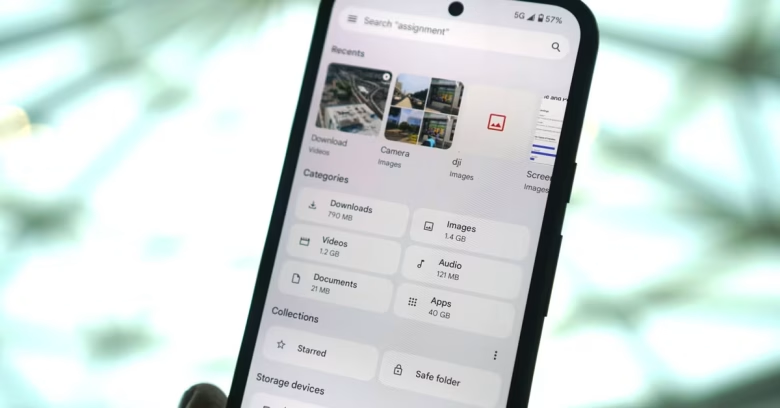
Few things are more frustrating than deleting gigabytes of photos, videos, and large apps, only to check your settings and see that your Android storage is still completely full. When this happens, it usually means the operating system hasn’t purged the deleted items completely, or hidden system data, app caches, and cloud sync backups are …

Plugging your phone in before bed and waking up to find it only at 60% is an exercise in frustration. When an Android phone starts charging at a snail’s pace, it can disrupt your daily routine and make reliable device usage difficult. Slow charging is rarely a mystery; it almost always points to a bottleneck …